Recognizing the Horse's Perspective in Rider Training.
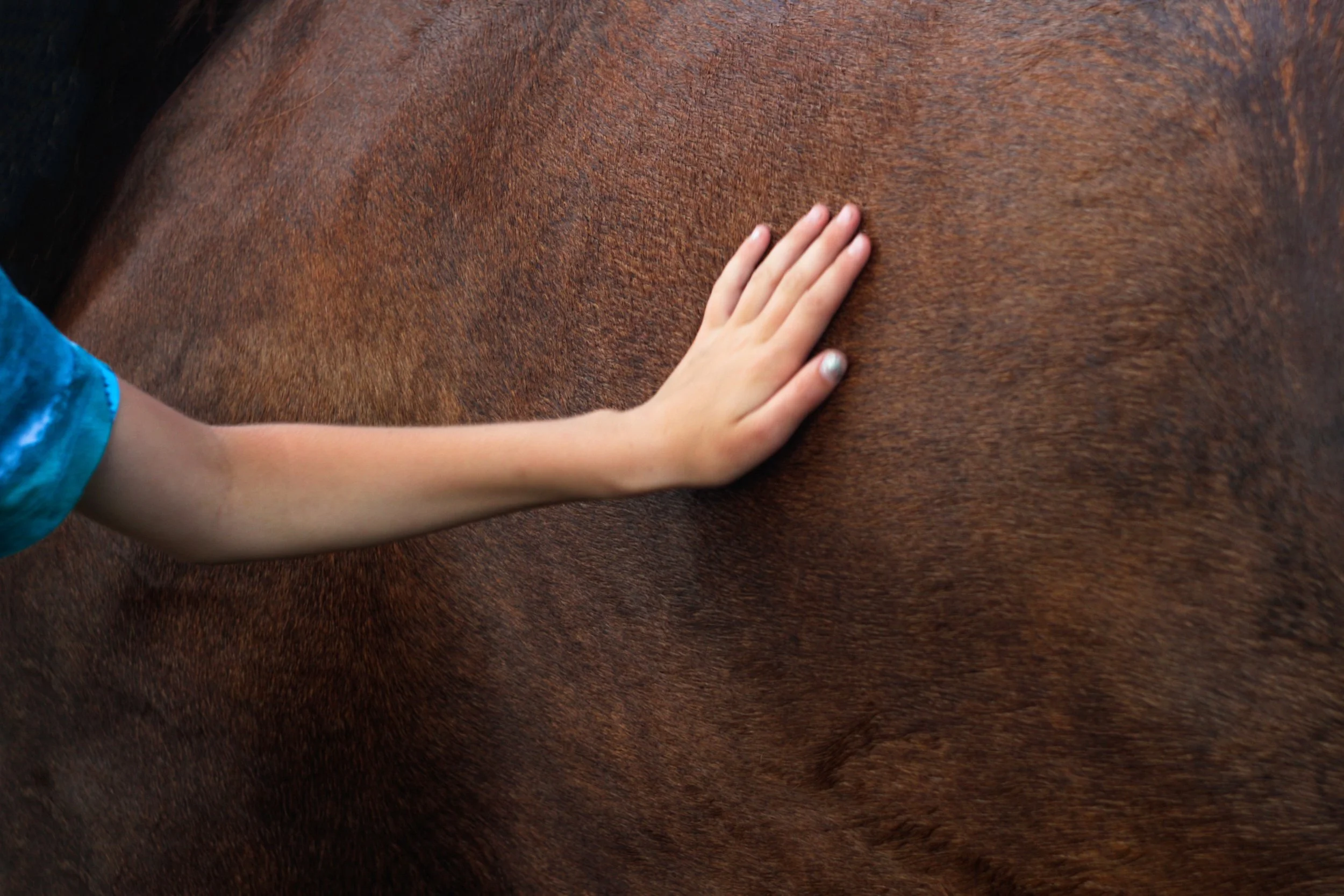
The missing link.
In equestrian training, horses are often perceived as mere instruments for achieving the rider's goals, rather than as sentient beings with their own thoughts, feelings, and reactions. This viewpoint overlooks the complexity and individuality of each horse, leading to a significant gap in teaching practices. Horses, like humans, have distinct personalities, preferences, and ways of communicating. Their reactions and behaviours can provide invaluable feedback that can enhance the training process and lead to better outcomes for both horse and rider.
One of the critical issues in current equestrian training is the failure to recognize and incorporate the horse's perspective into the training dialogue. Trainers typically focus on the rider's performance and techniques, often neglecting to consider how the horse perceives and responds to the rider's actions. This oversight can result in a one-sided approach to training, where the rider's needs and goals are prioritized, and the horse's contributions are overlooked.
The horse's reactions to the rider's commands, body language, and movements can offer essential insights into the effectiveness of the training methods. For instance, a horse that consistently resists a particular command may be experiencing discomfort or confusion, indicating a need for a different approach. Ignoring these signals leads to frustration for both the horse and the rider, ultimately hindering progress.
To address this gap, it is crucial to recognize the horse as an active participant in the training process. This involves paying closer attention to the horse's behaviour, understanding his communication cues, and engaging in reflective dialogue about his responses. Trainers must encourage riders to observe their horse's reactions more closely and consider the reasons behind these behaviors. By fostering a deeper understanding of the horse's perspective, riders can develop more effective and empathetic training strategies.
Incorporating the horse's perspective into equestrian training will lead to a more holistic approach that benefits both the horse and the rider. It promotes a partnership based on mutual respect and understanding, where the horse's well-being is prioritized alongside the rider's goals. This not only enhances the learning experience but also fosters better communication and rapport between the horse and the rider.
Recommendations for Improvement: Bridging the Gap
To address the identified shortcomings in equestrian training, it is imperative to evolve current teaching methods to incorporate a greater focus on understanding the horse's perspective. This shift requires trainers to reframe their approach, moving from a predominantly rider-centric model to one that views the horse as an active and sentient participant in the training process.
One of the key str
ategies to achieve this evolution is engaging riders in reflective dialogues about the horse's reactions and behaviours. Reflective dialogue involves open communication where trainers encourage riders to observe and discuss the horse's responses to various commands, movements, and environments. By fostering this two-way conversation, trainers should guide riders to develop a deeper awareness of the horse's physical and emotional cues.
Trainers must help riders interpret horses reactions as meaningful feedback. This interpretation can lead to adjustments in the rider's technique, ultimately resulting in a more harmonious and effective partnership.
Additionally, this approach enhances the rider's practical knowledge. When riders learn to recognize and respond to the horse's cues, they develop critical thinking and problem-solving skills. They become more adept at diagnosing issues independently and adapting their methods to suit the horse's needs. This independent learning is essential for fostering confident and capable riders who can effectively communicate with their horses.
Moreover, focusing on the horse's perspective fosters better communication and rapport between the rider and the horse. When riders demonstrate empathy and understanding towards their horses, they build trust and mutual respect. This improved relationship can lead to more positive training experiences, where both the rider and the horse are motivated and engaged.
In conclusion, it is important to integrate the horse's perspective into rider training. By prioritizing clarity in instruction and recognizing the horse as a sentient partner in the training process, trainers will significantly enhance the learning experience for riders. This, in turn, fosters a deeper, more empathetic connection between humans and horses, paving the way for more effective and harmonious equestrian practices.